


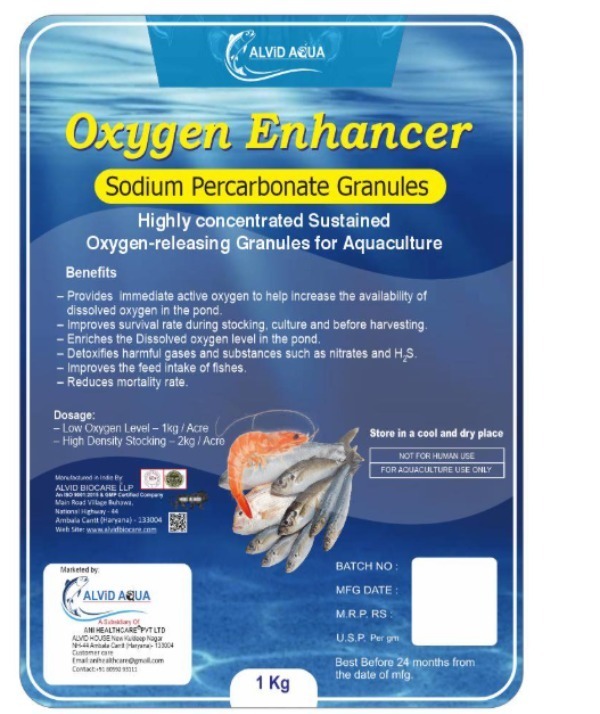
Aquaculture requires careful management of water, stocking, feeding, and nutrition. Because feed represents an important operational input, the role of aqua feed manufacturers extends beyond simply producing feed-related products.
Consistency in nutritional formulation, ingredient selection, manufacturing, storage, and distribution can influence how effectively aquaculture businesses manage their feeding programmes.
Nutrition Varies Across Aquaculture Operations
Aquaculture includes different species and production systems, and their nutritional requirements are not identical.
Feed requirements may vary according to:
- Species
- Growth stage
- Culture system
- Stocking density
- Water conditions
- Production objectives
- Seasonal conditions
This makes it important to select feed and supplementation products according to the intended application rather than relying on a one-product-fits-all approach.
Why Manufacturing Consistency Matters
Aquaculture businesses typically follow planned feeding schedules. Unexpected variations in product characteristics or supply can make feed management more difficult.
Manufacturers therefore need to pay attention to raw materials, formulation processes, production consistency, packaging, storage, and batch management.
Clear product information is equally valuable. Buyers should be able to understand what a product is designed for and how it fits within an overall feeding programme.
Feed Quality Is Only One Part of Aquaculture Management
Even well-formulated products cannot compensate for poor pond management or unsuitable water conditions.
Successful aquaculture generally requires attention to water quality, stocking, feeding quantities, disease management, environmental conditions, and regular observation.
Feed should therefore be viewed as one component of a broader management system.
Regional Distribution Is Important
Manufacturing is only useful when products can reach customers consistently.
For suppliers and distributors serving Ambala and the wider Haryana market, dependable dispatch and inventory planning can be particularly valuable when building relationships with aquaculture and animal nutrition customers.
Businesses should evaluate whether a manufacturer can maintain predictable product availability rather than focusing solely on introductory pricing.
Making Better Procurement Decisions
Before purchasing aqua feed products in commercial quantities, distributors and buyers should review the product category, composition, intended application, packaging, storage requirements, order quantities, and supply schedule.
It is also sensible to assess whether there is sufficient demand for the chosen category within the intended sales territory.
Alvid Groups operates from Ambala within the feed supplement, veterinary, and related animal nutrition space. Its positioning allows distributors exploring animal nutrition categories to discuss requirements based on their intended market.
Reliable aqua feed manufacturing is ultimately about repeatability. Customers expect the product they purchase today to maintain dependable characteristics in future supplies.
For aquaculture businesses and distributors, choosing products with clear applications and sourcing them through a stable supply arrangement can contribute to more organized feed management and stronger long-term commercial relationships.


