Aqua feed planning becomes unreliable when additives are selected before you define the species, production system, disease risk and actual feed intake. By the end, you will be able to match an intervention to its purpose, calculate a defensible dose, protect it through feed processing and judge whether it belongs in feed, on the pellet or in the water.
Key takeaways
- Match the plan to species, life stage, biomass and water conditions.
- Separate complete feeds from additives and disease-control products.
- Calculate dose from biomass and feed intake before manufacture.
- Use feed, top-coating or water delivery only for the right disease trigger.
Start with the production conditions, not the additive catalogue
A shrimp pond, marine cage and recirculating system create different exposure conditions, so one additive plan cannot serve all three. Species and life stage set the nutritional demand; biomass and expected feed intake determine the delivered dose; water temperature, salinity, dissolved oxygen and stocking density determine stress and disease risk.
Build the animal health solutions aqua feed plan from these production inputs:
- Species and life stage: larval shrimp, juvenile shrimp, broodstock, fry and grow-out fish do not consume the same pellet size or tolerate the same inclusion rate.
- Production system: account for pond sediment, cage currents, or recirculating-system filtration before choosing an ingredient whose effect depends on ingestion.
- Seasonal disease history: connect the plan to the pathogen, lesion pattern or mortality event you are trying to prevent, not to a generic “health” claim.
- Feeding conditions: specify pellet diameter, sinking or floating behaviour, feeding duration and the maximum time the pellet may remain in water. Fine particles and soluble components can leach before slow-feeding animals consume them.
Give the supplier a feed-use specification alongside the product specification. Request the target species and life stage, inclusion rate, processing tolerance, shelf life, storage temperature, compatibility limits, quality-control tests and permitted claims.
For a probiotic, ask for strain identity and viable count at expiry, then demand evidence from the same species and production system—not only a genus name or headline CFU number.
Separate growth, stress resilience and diagnosed-disease control. A low-evidence additive cannot replace biosecurity, water-quality correction or pathogen-specific treatment.
Separate complete feed, additives and disease-control products
A complete aqua feed supplies the animal’s planned nutrients; the other categories modify, supplement or treat that feed. Do not use a growth-support additive as a substitute for a diagnosed disease-control product.
| Option | What it means | Evidence to compare |
|---|---|---|
| Complete aqua feed | Balanced protein, lipid, carbohydrate, vitamins and minerals for a species and life stage | Growth, feed conversion, survival and finished-feed analysis |
| Probiotic | Live, identified microorganisms intended to support gut function or resilience | Strain identity, viable count at expiry, dose and target-species trials |
| Prebiotic | Non-digestible substrate that selectively supports beneficial microbes | Digestibility, microbiome change and growth or survival results |
| Enzyme | Added catalyst such as phytase or protease that improves nutrient release | Enzyme activity at the stated dose and performance in the target feed |
| Premix | Concentrated blend of vitamins, minerals or other micronutrients | Ingredient assay, uniform mixing and stability through processing |
| Immunostimulant | Compound intended to improve immune readiness under stress | Challenge-test survival, immune markers and species-specific dose |
| Mineral supplement | Individual or blended minerals correcting a known dietary or environmental gap | Mineral analysis, bioavailability and water-quality interaction |
| Medicated feed | Feed carrying an approved veterinary active for a named disease or pathogen | Label, withdrawal period, diagnosis and controlled treatment evidence |
Ask an aquaculture probiotics feed additive supplier for carrier, storage temperature, shelf life, extrusion or pelleting tolerance and finished-feed viability. Compare animal health solutions for aqua feed by the same endpoint, dose, production system and disease risk—not by a headline CFU number or laboratory result alone.
Calculate the dose and protect it during feed manufacture
Calculate the requirement from what the animal must consume, not from the premix bag. Multiply biomass in kilograms by expected daily feed intake in kilograms per kilogram of biomass, then multiply by the approved additive dose per kilogram of feed. Divide that result by the product concentration.
For medicated feed, use the approved dose, labelled duration, withdrawal time and veterinary direction; underestimating biomass or overestimating intake causes underdosing.
Before choosing an aquaculture probiotics feed additive supplier, request:
- Strain identity, not only the genus name
- Viable count at manufacture and at the end of shelf life
- Inclusion rate expressed per kilogram of finished feed
- Carrier, storage temperature and maximum storage time
- Compatibility with pelleting, extrusion and post-processing coating
- Evidence from the target species and production system
Protect the calculated dose through manufacture and storage:
- Pelleting or extrusion: run a pilot batch and test viable organisms in finished feed, because heat can reduce the delivered count.
- Moisture and oxygen: use the specified packaging and handling conditions; exposure can reduce viability before feeding.
- Storage: label each lot with manufacture date, expiry date and opening date, then keep it within the stated temperature range.
- Water exposure: measure feed stability and leaching, since a pellet that loses its additive before consumption delivers less than its label dose.
Test the finished feed after processing and storage, not just the supplier’s laboratory sample. Acidifiers, minerals, binders and antioxidants can also change pellet durability, palatability or probiotic survival.
Choose feed, top-coating or water delivery with a disease trigger
Choose the route that matches both disease biology and feed intake. Formulate an additive into feed when fish or shrimp are eating predictably and the ingredient remains stable through extrusion or pelleting; this suits planned resilience support and a diagnosed condition requiring medicated feed.
| Delivery route | Use it when | Main failure |
|---|---|---|
| Formulated into feed | Intake is consistent and the ingredient tolerates processing | Sick animals receive too little when appetite falls |
| Top-coated after processing | The ingredient is heat-sensitive, or you need a late formula change | Uneven adhesion, leaching or storage loss reduces the delivered dose |
| Water delivery | The target is external, gill-related or the stock will not consume enough feed | Salinity, temperature, organic load and water exchange alter exposure |
Use top-coating for aquaculture feed additives for disease prevention when the product label permits it and you can verify coating uniformity. Do not use water delivery as a convenient substitute for correcting dissolved oxygen, ammonia or biosecurity failures.
Set a switch point before a disease event. If feed intake falls sharply, mortality rises, or uneaten medicated feed accumulates, stop treating feed as the primary route and contact a fish veterinarian about immersion or injection where legally permitted.
Antimicrobials require a veterinary diagnosis or documented disease-risk assessment. Routine inclusion to offset poor water quality selects for resistance and can create residue, regulatory and market-access problems. Probiotics, organic acids and immunostimulants support prevention; they do not replace pathogen-specific treatment.
Validate the plan against biosecurity, regulation and farm results
Run a controlled comparison before crediting an animal-health feed plan with better survival. Keep treated and untreated groups under the same stocking density, water exchange, aeration, feeding schedule and biosecurity protocol; record every management change. An animal health solutions aqua feed plan is unproven if water quality improved only in the treated ponds.
Track the same endpoints in both groups:
- Mortality and cumulative survival
- Weight gain, specific growth rate and feed conversion ratio
- Feed intake and rejected feed
- Lesion rate, clinical signs and adverse effects
- Pathogen load or immune markers when they match the claimed mechanism
Repeat the comparison across the relevant temperature, salinity and production conditions. A short survival gain during cooler water or lower stocking density does not prove that aquaculture feed additives for disease prevention prevented disease.
For animal health solutions for aqua feed, request records showing the target species, life stage, inclusion rate, processing tolerance, shelf life, storage temperature, quality-control tests and permitted claim.
Treat probiotics, organic acids and immunostimulants as different from medicated feed; an antibiotic belongs in a veterinary diagnosis or documented disease-risk assessment, not as compensation for weak biosecurity. Routine use can select resistance and create residue or market-access problems.
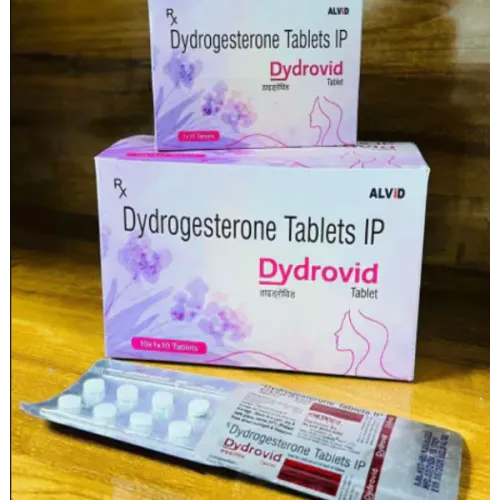
The same scrutiny applies to a veterinary supplement from Alvid Groups: match the label claim to the farm endpoint, and reject evidence based only on improved water management.
Frequently asked questions
What production conditions shape an aqua feed plan?
Species, life stage, biomass, feed intake, water temperature, salinity, dissolved oxygen and stocking density shape the plan.
How do complete feed and feed additives differ?
Complete feed supplies the planned ration, while additives modify nutrition, gut support or feed performance; disease-control products require separate assessment.
How do you calculate an additive dose for aqua feed?
Base the dose on biomass and expected feed intake, then confirm the product’s concentration, inclusion rate and target species.
When should you deliver an aquaculture product through feed, top-coating or water?
Choose the route according to the disease trigger, product instructions, feed stability and whether the target is the animal or the surrounding water.
How do you validate an aqua feed health plan?
Check biosecurity controls, legal requirements, product records, water-quality data, feed response, survival, growth and disease results.
Keywords