A stockist must understand more than the product catalogue: the arrangement affects licensing, inventory ownership, customer invoicing, territory rights, product complaints and cash flow. By the end, you will be able to map the ordering process, verify a manufacturer, calculate the real cost of a franchise range and test whether a territory offer is commercially safe.
Key takeaways
- Ask for the wholesale drug licence and manufacturer’s product documents.
- Compare landed cost, minimum order, expiry cover and replacement terms.
- Verify batch records, storage controls and complaint handling before stocking.
- Get written confirmation of veterinary franchise territory availability before signing.
What a veterinary pharma franchise changes in the stockist’s role
A veterinary pharma franchise for stockists makes you an appointed channel partner, not merely a buyer. You hold inventory, supply approved customers and follow agreed territory, pricing, records, storage and complaint procedures.
“Veterinary pharma franchise for stockists” and “pharma franchise for stockists” are commercial terms, not licence categories; your wholesale drug licence and tax registrations still apply.
| Option | What it means for the stockist | Main difference |
|---|---|---|
| Wholesale purchase | Buy specific quantities from a manufacturer or authorised distributor and resell them | No territory, promotion or continuing appointment is implied |
| Dealership | Resell under a supplier’s appointed channel, often with targets or territory | Rights depend on the written dealership terms |
| Agency | Represent or promote the supplier, usually without owning stock | The supplier usually invoices the customer and bears inventory risk |
| PCD franchise | Receive agreed promotional or distribution rights, often for a defined area | Territory, exclusivity, minimum orders and support must be written |
| Veterinary pharma franchise | Hold and distribute veterinary products under an appointment | You carry stock, trace batches, serve customers and escalate complaints |
The working chain is clear:
- You enquire; the manufacturer screens your licence, premises, territory and customer base.
- You and the manufacturer select products, agree price, credit, territory and order quantity, then sign the appointment.
- The manufacturer or authorised distributor dispatches; you receive, record and store batches using FEFO.
- You invoice veterinary clinics, pharmacies, farms, dealers or pet retailers. Prescribers choose treatment; customers use it for animals.
- You send stock, batch and customer details to the manufacturer when a clinic, retailer or livestock owner reports a defect, reaction or delivery problem.
- You isolate affected stock, while the manufacturer investigates, advises on recall or replacement, and issues any credit due.
Which licences, documents and records must be checked
Before ordering, treat a pharma franchise for stockists as a commercial arrangement, not as a licence category. Your franchise agreement does not replace the GST registration, wholesale drug licence, suitable premises, storage controls or records required in your jurisdiction.
Request these documents and match every name, address and product detail:
- GST registration certificate and the seller’s legal name, GSTIN and billing address.
- Valid wholesale drug licence, including the licensed premises and product categories.
- Manufacturer appointment letter or authorised-seller proof showing the right to supply your territory and channel.
- Manufacturing licence or marketing authorisation details for each veterinary product.
- Approved label and pack artwork showing composition, species, dosage, batch number, expiry date, pack size, storage instructions and licence details.
- Batch-release or certificate-of-analysis documents where supplied, plus the product invoice for each consignment.
| Check | What must match | Reject or pause when |
|---|---|---|
| GST registration | Legal entity, GSTIN and invoice address | The invoice comes from an unexplained entity |
| Wholesale drug licence | Licence holder, premises and permitted products | The licence is expired or does not cover the goods |
| Batch record | Batch number, manufacture date, expiry date and quantity | The label and invoice show different batch details |
| Storage instruction | Temperature range, light protection and handling | Transport conditions cannot meet the label |
Record batch number, expiry date, quantity and customer dispatch, then use FEFO—first expiry, first out. Keep the written terms for near-expiry returns, damaged goods, recalls, credit notes and disposal costs.
How to compare veterinary franchise products and pricing
Compare veterinary franchise products and pricing by unit economics, not by MRP or therapeutic category alone. Confirm the dosage form, target species, approved indication, pack size, storage range, remaining shelf life and local demand before accepting a low ex-factory rate.
| Check | What to compare | Cost or risk |
|---|---|---|
| Injectable, vaccine, powder or oral liquid | Administration, species and handling | Cold-chain, trained handling and breakage cost |
| Shelf life and FEFO | Residual life at delivery and replacement terms | Expiry risk and cash tied up |
| Demand | Species mix, seasonality, clinics and repeat treatments | Slow-moving stock and dead inventory |
| Commercial terms | Ex-factory rate, GST, freight, scheme, credit and minimum order | Actual landed cost and working-capital need |
| Damage and recall terms | Transport damage, temperature excursion and recalled-batch treatment | Unrecoverable loss |
Use this worked method. Suppose 100 paid units cost ₹100 each, freight is ₹8 per unit and GST is 12%. Cash paid is ₹12,096 including GST; recoverable GST leaves a pre-tax landed cost of ₹108 per paid unit. If the scheme adds 10 free units, cost becomes ₹98.18 per saleable unit across 110 units.
At a GST-exclusive selling price of ₹140, gross margin is ₹41.82 per unit, or 29.9% of sales.
If monthly fixed costs are ₹25,000, break-even is 25,000 ÷ 41.82 = 598 units. The opening order ties up ₹12,096 until sales or credit recovery. Reduce that exposure when demand is uncertain, shelf life is short, or damaged-goods credit is not written into the agreement.
What a veterinary pharmaceutical manufacturer for distributors must prove
A veterinary pharmaceutical manufacturer for distributors must prove support with documents and response times, not a catalogue. Ask for written answers before placing stock: what is supplied, at what cost, with which risks, and who pays when something goes wrong.
1. Match the approved composition, dosage form, species, strength and pack configuration to local demand. Confirm units per carton, batch size, minimum order, storage range, remaining shelf life at delivery and FEFO records. A low price is useless if you must buy slow-moving mixed cases.
2. Reconcile the price list with PTR or transfer price, GST, freight, schemes, distributor and retailer margins, credit period, and free-goods adjustments. Request a dated price list and calculate landed cost rather than accepting a printed MRP or headline margin.
3. Get transport terms in writing. For temperature-sensitive injections, vaccines or biologicals, require the permitted range, temperature logger or data-logger record, calibrated instrument details, receipt-check procedure and excursion decision process. “Refrigerated vehicle” proves nothing by itself.
4. Define replacement categories: transit damage, leakage, wrong supply, short residual shelf life, temperature excursion, near-expiry stock and recalled batches. The agreement must state return freight, disposal responsibility and the credit-note turnaround.
5. Test the escalation path. Identify the pharmacovigilance contact for adverse events, complaint number, batch-trace procedure, recall notification method and responsible manager. Ask how quickly acknowledgement, investigation and replacement or credit follow.
Use Alvid Groups as one manufacturer to assess against these questions, not as evidence that any particular margin, credit term or replacement promise exists. If answers remain verbal, the stockist is carrying the manufacturer’s inventory and service risk.
Related products
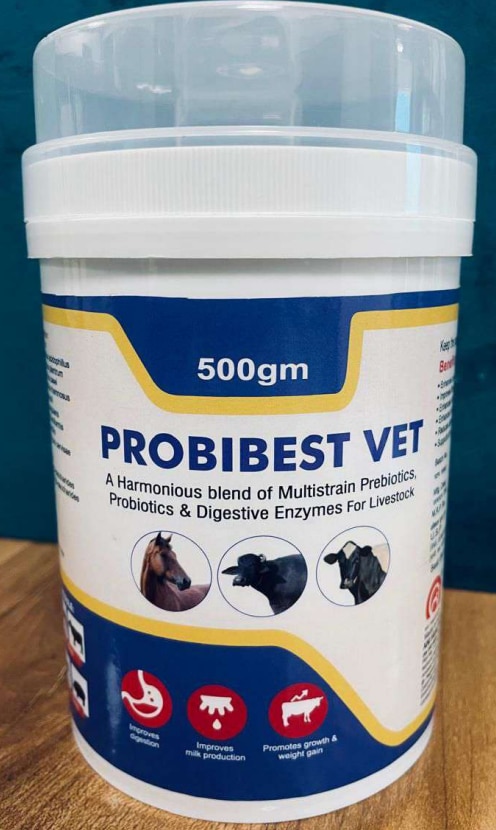 | Veterinary Division PROBIBEST VET is a veterinary nutritional supplement for livestock, including horses, buffaloes, and cattle. View product → |
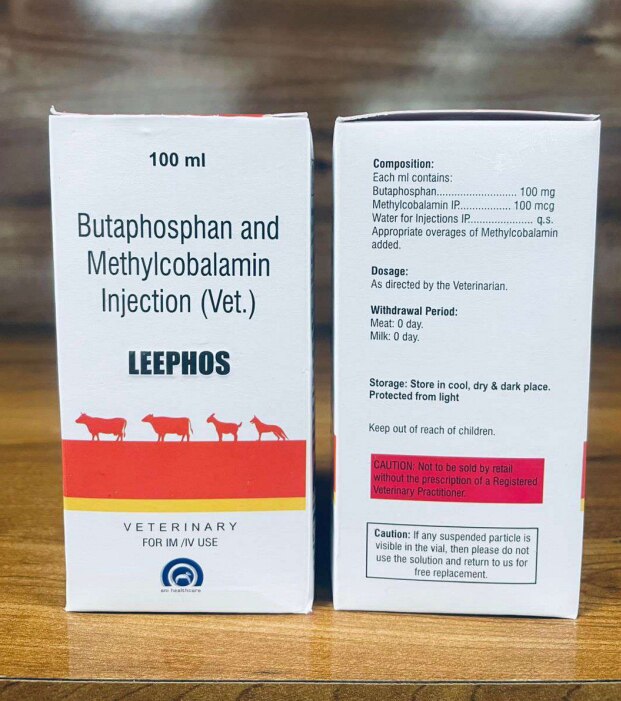 | Veterinary Division Butaphosphan and Methylcobalamin Injection (Vet.) The image shows LEEPHOS, a veterinary injection containing Butaphosphan and Methylcobalamin. View product → |
How to confirm veterinary franchise territory availability before signing
A district is not available merely because no name appears on a map. Existing orders, institutional accounts, rural coverage, channel restrictions or an exclusivity promise can make the veterinary franchise territory availability unsuitable.
1. Send an enquiry stating your district, licence status, storage capacity, customer channels and expected order volume. Ask whether the veterinary pharma franchise for stockists is supplied directly or through an authorised super-stockist.
2. Complete company screening. Verify the invoicing entity’s GST registration, wholesale drug licence, manufacturing or marketing authorisation, approved labels and batch documents.
3. Discuss the territory before choosing products. Identify district boundaries, permitted customers, veterinary clinics, pharmacies, hospitals, farms, dealers and pet retailers, plus excluded institutions or online channels.
4. Select products by dosage form, species, storage range, pack size, shelf life and demand. Obtain the price list, minimum order, freight terms, expiry replacement policy and credit conditions.
5. Require a written quotation, then check that the agreement names the parties, products, prices, taxes, payment default, trademarks, returns and transit or expiry risk.
6. Place the first order only after signing. Confirm batch numbers, expiry dates, storage instructions, dispatch documents and who pays for cold-chain transport or damage.
7. Record inventory by batch and expiry under FEFO, then repeat-order against actual movement rather than a promised catalogue.
8. Attach a signed territory schedule stating boundaries, existing holders, channels, exclusivity, minimum purchases, retention conditions, post-termination stock treatment and dispute resolution, including governing law, venue and return-freight responsibility. Verbal assurances do not protect the territory.
Frequently asked questions
What does a veterinary pharma franchise change for a stockist?
It makes you an appointed channel partner responsible for inventory, approved customers, territory rules, pricing, records, storage and complaints.
Which licences and documents should a stockist check?
Check the stockist’s wholesale drug licence, the manufacturer’s licences, product labels, invoices, batch documents, storage requirements and complaint records.
How should stockists compare veterinary franchise products and pricing?
Compare composition, pack size, expiry period, minimum order, landed cost, retailer margin, replacement policy and demand from approved customers.
What must a veterinary pharmaceutical manufacturer for distributors prove?
The manufacturer must provide traceable batch records, quality documents, compliant labels, controlled storage, complaint handling and dependable dispatch records.
How can you confirm veterinary franchise territory availability?
Request written confirmation of the territory, excluded accounts, sales rights, duration, renewal terms and conditions that end exclusivity before signing.
Related products
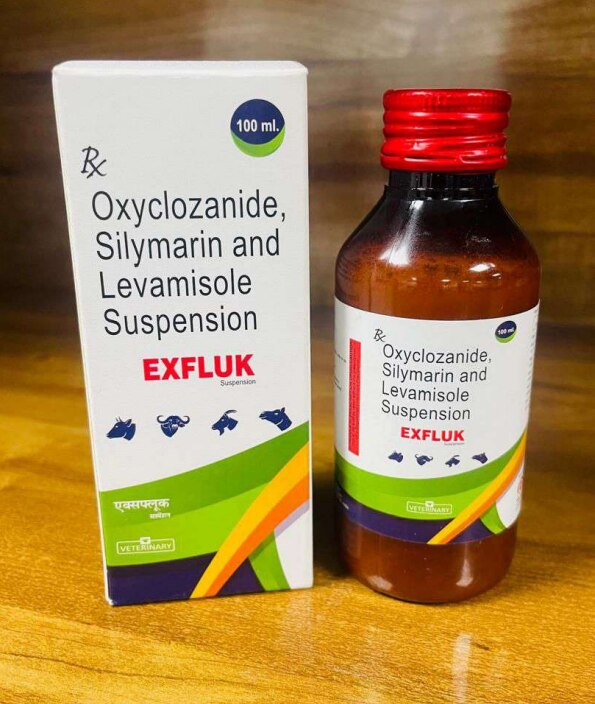 | Veterinary Division EXFLUK Based on the image provided, EXFLUK is a broad-spectrum veterinary anthelmintic (deworming) suspension produced by ANI Healthcare. |
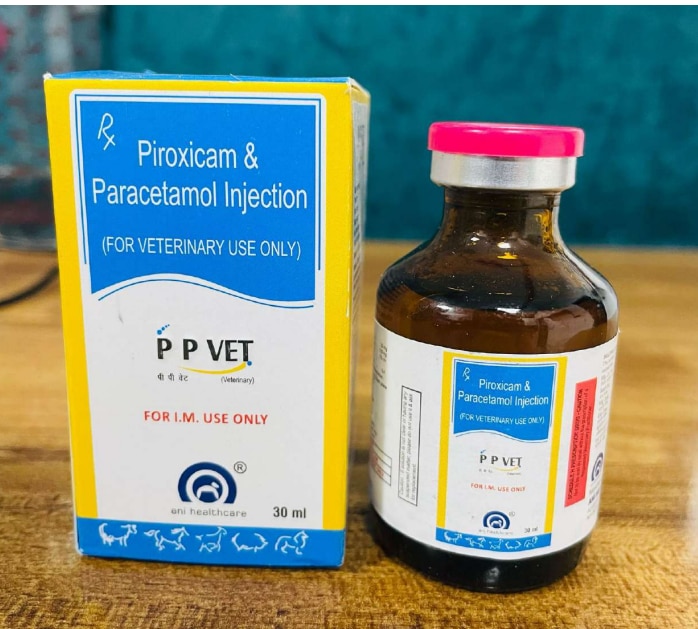 | Veterinary Division Piroxicam & Paracetamol Injection The image shows PP VET, a veterinary injection containing Piroxicam and Paracetamol, used to treat pain, fever, and inflammation in livestock. View product → |
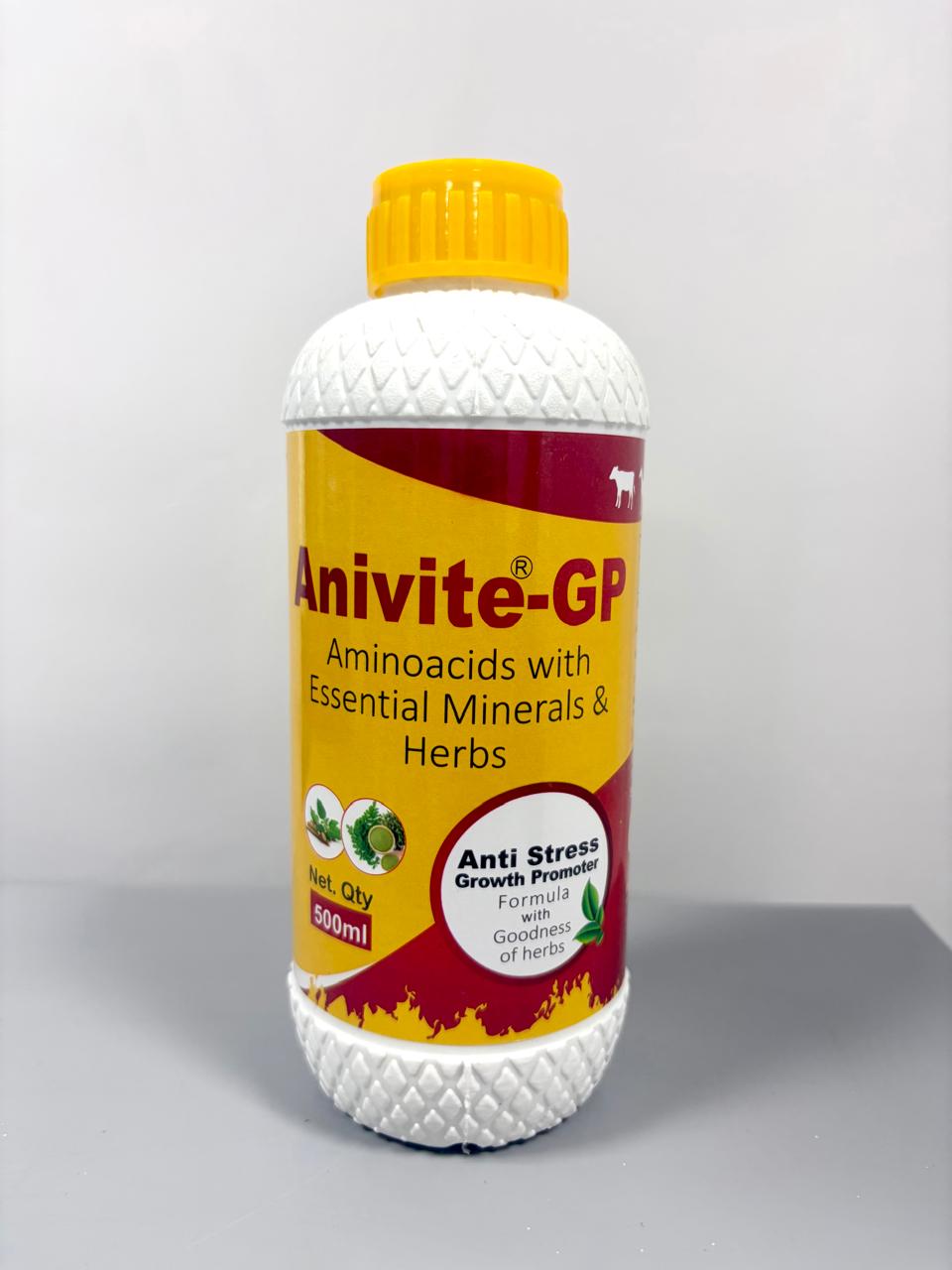 | Veterinary Division ANTI STRESS & GROWTH PROMOTER View product → |
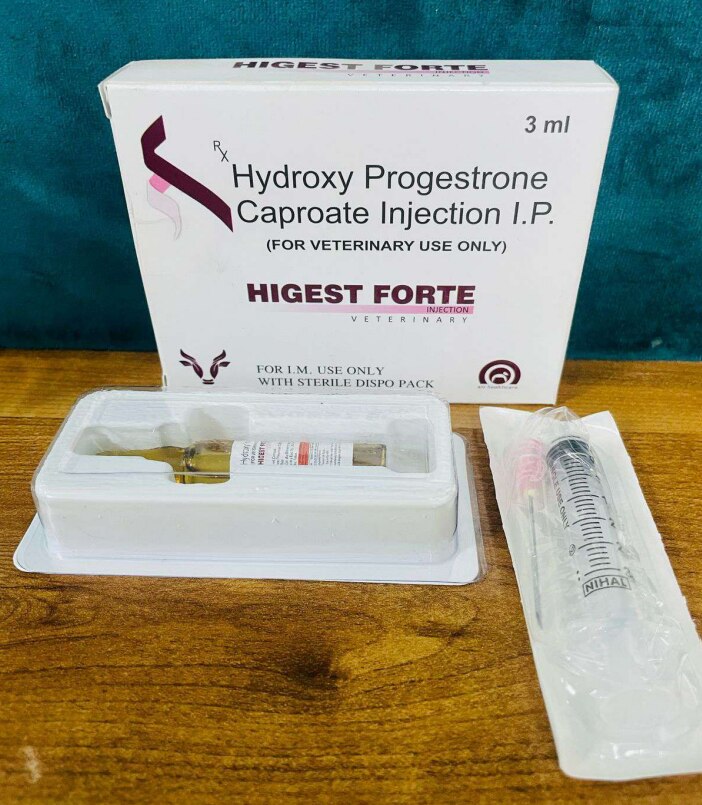 | Veterinary Division Hydroxy Progesterone Caproate Injection I.P. Higest Forte is a veterinary hormonal injection containing Hydroxyprogesterone Caproate (250 mg/ml), primarily used to maintain pregnancy and manage... View product → |
Keywords