A distributor needs more than finished cartons: it needs lawful product classification, batch-level records, dependable replenishment, usable technical information, and a clear process for damage, complaints, and recalls. By the end, you will be able to map the manufacturer’s responsibilities, audit its controls, compare supply models, and decide whether a product line fits your channel.
Key takeaways
- Inspect licences, batch records, specifications, and quality-release documents before ordering.
- Compare suppliers on documentation, consistency, lead times, support, and stock reliability.
- Use demand forecasts and expiry controls to prevent cash being trapped in unsold inventory.
- Confirm storage, traceability, and selling guidance before products reach veterinary customers.
From product development to delivery: who does what?
An animal health products manufacturer gives a distributor a controlled product, not just cartons: formulation evidence, approved raw-material sourcing, manufacturing, quality release, pack design, directions, records, and support. The distributor’s responsibility begins when it accepts the goods and must preserve their identity, storage conditions, and approved use.
- The manufacturer develops the formula, qualifies suppliers, tests incoming materials, manufactures and packs each batch, releases it against specifications, and issues labels, composition data, licences, certificates of analysis where applicable, storage instructions, and shelf-life details.
- It confirms the order, allocates batches, prepares the invoice and transport records, dispatches stock under the stated conditions, and supports complaints, adverse-event reports, recalls, and approved training.
- The distributor checks authorization, receives and records every batch, stores it correctly, preserves the label and directions, and records onward sales so a recall can reach each customer. It must not rewrite dosage, indications, prescription status, or withdrawal periods.
- The retailer presents and stores stock correctly. The veterinarian diagnoses, prescribes where required, and supervises treatment; the livestock owner follows the label or veterinary instruction.
A supplement, feed supplement, veterinary medicine, wound-care gel, and grooming product need different labels, claims, sales routes, and controls. Do not imply that grooming care treats disease or that nutritional content proves drug efficacy.
Check the route by market and category: U.S. animal drugs go through FDA Center for Veterinary Medicine, while veterinary biologics fall under USDA APHIS. EU veterinary medicines follow Regulation (EU) 2019/6. In India, verify the applicable manufacturing, drug, feed, or food-authority licence for each product, not one licence for the catalogue.
The quality file a distributor must inspect before ordering
Before ordering, require a controlled file proving that each product is identifiable, releasable, and safe to receive. It should contain:
- Product catalogue, composition sheet, approved label, species and use directions, licence or approval identifier, storage instruction, shelf-life statement, batch details, certificate of analysis where applicable, tax documents, invoice format, and transport records.
- Evidence of incoming-material approval, identity testing, weighing, blending, filling, sealing, contamination prevention, in-process checks, finished-product release, and complaint investigation.
Read every pack for the product name and category, batch or lot number, manufacturing date, expiry date, net contents, manufacturer details, licence or registration number, storage condition, and prescription or withdrawal statement. The label—not a sales description—controls permitted species, dose, route, and claims.
Traceability must connect each raw-material lot to the finished batch and every customer supplied. Require recall reconciliation showing stock held, stock sold, and stock recovered.
- Match cartons with the invoice and transport record.
- Inspect seals and labels; record every batch and calculate remaining shelf life.
- Photograph damage, quarantine discrepancies, and report them within the agreed period.
| Dosage form | Receiving and storage control |
|---|---|
| Refrigerated biologic | Follow the approved range, often 2–8 °C; never release after freezing or an undocumented excursion. |
| Liquid or gel | Prevent leakage, light exposure, and crushing; segregate damaged packs. |
| Powder, tablet, or feed supplement | Control humidity, stack safely, and isolate expired stock. |
Document temperature excursions and obtain authorized disposition; do not release or discard stock informally. These controls let an animal health products wholesale distributor receive, store, and recall stock with evidence.
How to compare suppliers beyond catalogue size
Score an animal health product supplier for businesses against evidence, not catalogue size.
- Capacity: verified monthly output, batch-release controls, dosage evidence, batch traceability, and production consistency.
- Commercial fit: minimum order quantity, lead time, delivery coverage, pack sizes, payment terms, and remaining-shelf-life commitment.
- Resilience: forecast planning, shortage allocation, fill rate, replacement policy, recall process, anti-diversion controls, and named escalation contacts.
| Provider | Formulation and release control | Documents and supply risk |
|---|---|---|
| Manufacturer | Controls formulation, batch release, specifications, and change management | Fewer pricing layers; continuity depends on proven capacity |
| Trading company | Buys and resells; controls neither formulation nor release | Extra margin layer and weaker change control |
| Importer | Controls import channel, not necessarily production | Depends on export paperwork, customs, and the overseas plant |
| Contract manufacturer | Produces to another party’s formula or licence | Confirm who owns records, releases batches, and approves changes |
| PCD franchise provider | Distributes under a territory or promotion model | Confirm allocation, competing channels, and continuity rights |
Require a signed quality or commercial agreement covering quotation and complaint response times, order-confirmation timing, dispatch lead time, fill rate, shortage handling, returns, damaged cartons, and the person authorised to release quarantined stock.
Ask how the supplier qualifies your storage, pest control, temperature monitoring, licences, returns, recalls, and onward-distribution records. Define cold-chain ranges, excursion assessment, and batch-level customer reconciliation. Alvid Groups, for example, should be assessed against these documented controls rather than a sales promise.
Choose another supplier if it cannot provide licence documents, dosage evidence, shelf-life data, batch traceability, cold-chain capability, export paperwork, or consistent production volume.
Related products
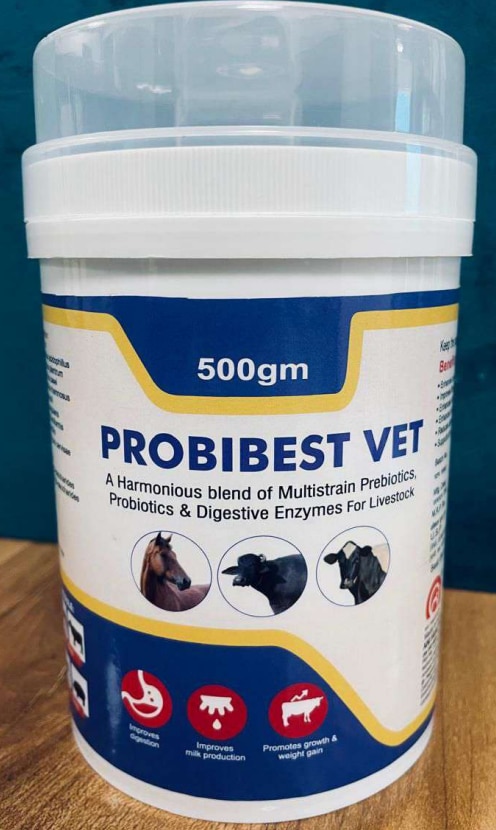 | Veterinary Division PROBIBEST VET is a veterinary nutritional supplement for livestock, including horses, buffaloes, and cattle. View product → |
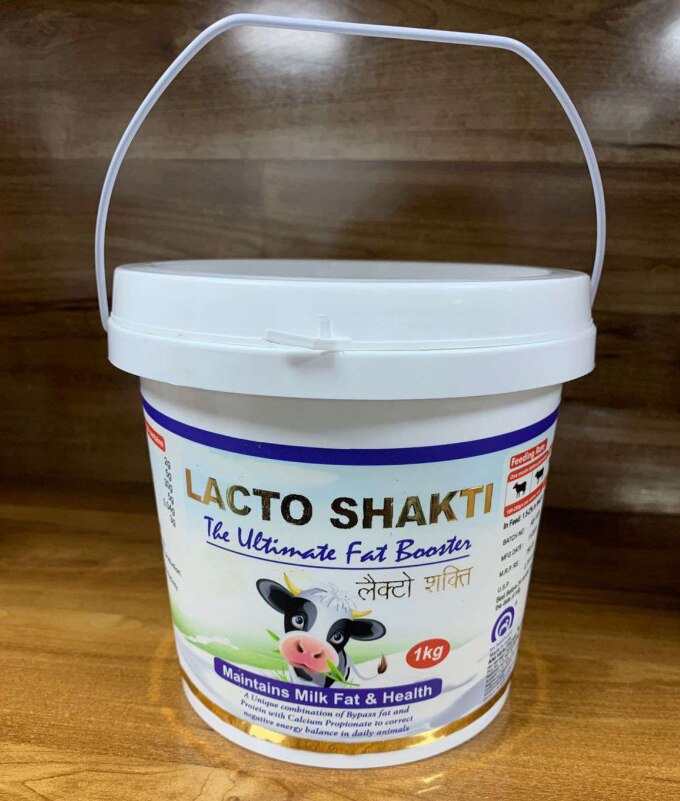 | Veterinary Division Lacto Shakti is a veterinary nutritional supplement designed as a fat booster and milk yield enhancer for dairy animals like cows and buffaloes. View product → |
How demand planning protects cash and prevents expired stock
Order by evidence, not by catalogue size. Forecast each item by species, indication, dosage form, season, veterinary channel, and livestock geography. Separate dairy, poultry, companion-animal, and other demand, then adjust for disease pressure, breeding cycles, weather, prescribing habits, and retailer coverage.
1. Set demand and reorder levels. Compare the forecast with available stock, allocated stock, batch expiry dates, minimum order quantities, and lead time. A slow-moving pack, short remaining shelf life, or large minimum order can turn a low purchase price into an expiry loss.
2. Run the repeat-order workflow: sales forecast, reorder level, production slot, purchase order, order confirmation, dispatch notice, delivery receipt, then reconciliation of shortages, returns, or damaged cartons. Require the animal health product supplier for businesses to provide lot visibility, allocation rules, and production capacity before you promote a line.
3. Test contribution before approval. Selling revenue minus purchase cost, freight, storage, expiry-related write-offs, sales-team effort, retailer margin, credit cost, and other channel expenses equals the line’s contribution. Long lead times increase safety stock and cash tied up; an attractive unit price does not fix weak turnover.
Use FEFO—first expiry, first out—and record every batch, quantity, location, and customer allocation. Do not resell returned goods until you assess unopened packaging, storage history during return, remaining shelf life, and tamper status. A manufacturer must support rapid lot reconciliation when a recall or shortage occurs.
How manufacturers support safe selling after dispatch
A safe distributor pack starts with approved product literature, not a sales slogan. It must state species, indication, route, dose, frequency, treatment duration, contraindications, interactions, age restrictions, storage conditions, and withdrawal periods for meat, milk, eggs, or honey. It must also say when a veterinarian must examine the animal.
Keep commercial categories separate:
| Category | Permitted positioning | Key control |
|---|---|---|
| Nutritional or feed supplement | Nutritional support | Ingredient quantities and feeding directions |
| Veterinary medicine | Approved prevention or treatment claim | Label, prescription status, and withdrawal period |
| Wound-care product | Care of a defined wound type | Directions and veterinary referral trigger |
| Grooming product | Cleaning or cosmetic care | Never imply disease treatment |
Ask the manufacturer for target-animal data, complete ingredient quantities, stability information, palatability testing, efficacy records, adverse-event procedures, and claims substantiation. A product name or positioning statement does not prove efficacy.
A veterinary pharmaceutical manufacturer for distributors can provide compliant field training, veterinarian education, objection handling, and approved promotional copy. Training must preserve the approved label, prescription status, and veterinarian-client-patient relationship where required in each market; shared active ingredients do not justify shared claims or sales routes.
Give sales staff a pharmacovigilance route for adverse events, lack of expected efficacy, suspected defects, and possible withdrawal-period violations. They must triage and escalate these reports, not close them as ordinary complaints.
Choose the supplier that connects every claim, batch, licence, and service promise to a controlled record.
Frequently asked questions
What does an animal health products manufacturer do before delivery?
The manufacturer develops the formulation, qualifies raw-material sources, produces the batch, checks quality, releases the goods, prepares compliant packaging, and provides directions and records.
Which documents should a distributor inspect before ordering?
Ask for the manufacturer’s licence details, product specifications, batch records, certificates of analysis, quality-release evidence, storage instructions, and traceability information.
How should distributors compare animal health product suppliers?
Compare documentation quality, batch consistency, lead times, minimum order quantities, expiry periods, forecasting support, complaint handling, and post-dispatch assistance rather than catalogue size alone.
How does demand planning reduce expired animal health stock?
Match purchase quantities to sales history, seasonal demand, lead times, minimum order quantities, and remaining shelf life, then use stock rotation and expiry-date reviews.
Related products
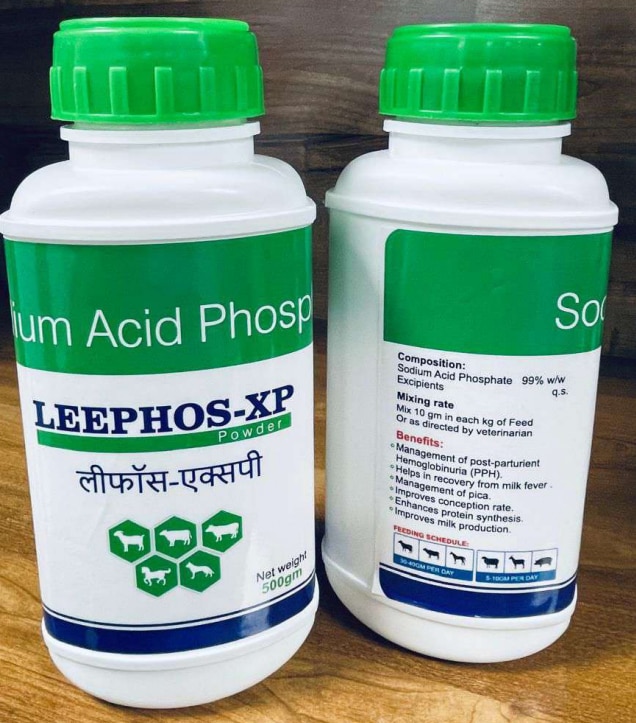 | Veterinary Division LEEPHOS-XP is a high-potency veterinary feed supplement designed to manage metabolic disorders and enhance productivity in livestock like cattle,... View product → |
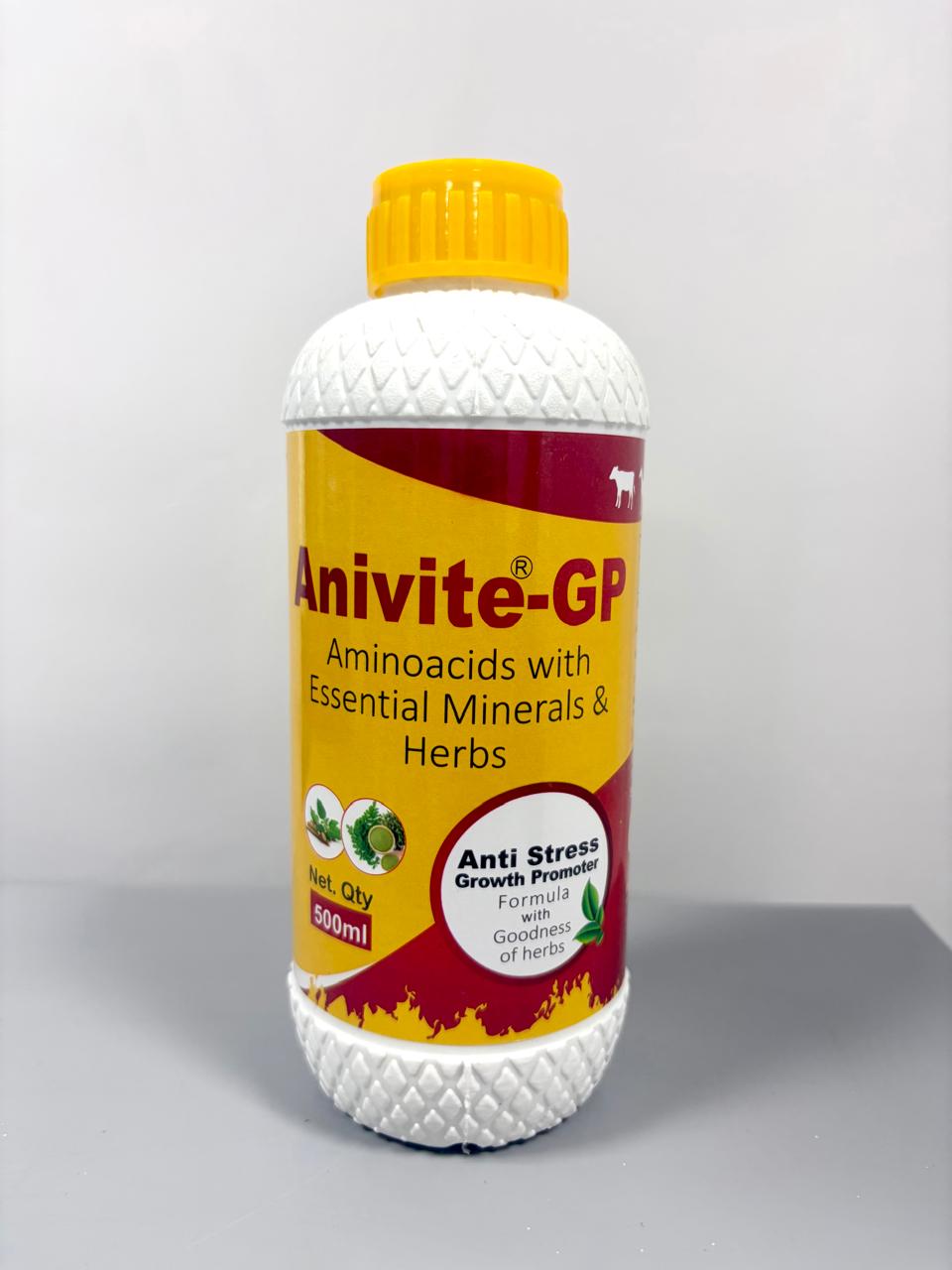 | Veterinary Division ANTI STRESS & GROWTH PROMOTER View product → |
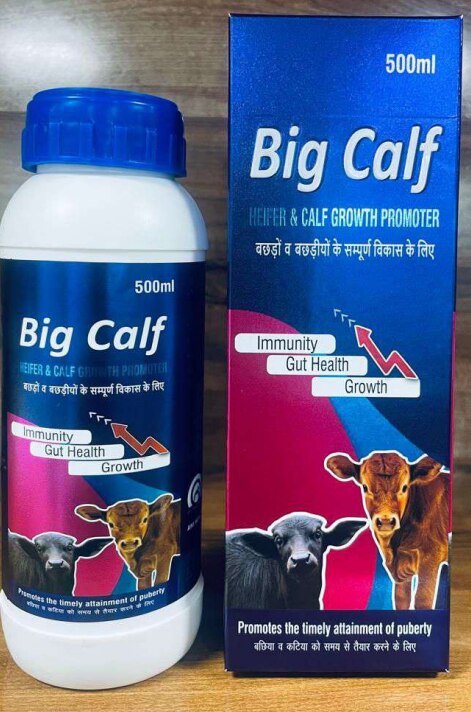 | Veterinary Division Key Benefits and Features Immunity & Health: It acts as a powerful immunity booster to protect newborn and growing calves from common diseases and... View product → |
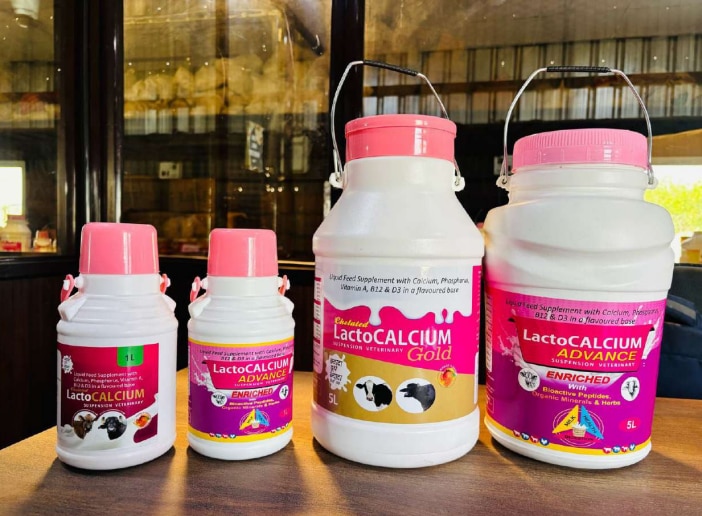 | Veterinary Division The image features the Lacto Calcium line of veterinary liquid feed supplements, produced by ANI Healthcare. View product → |
Keywords