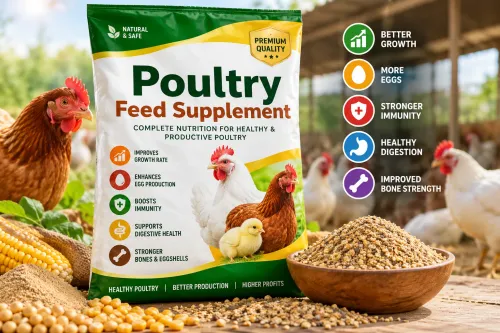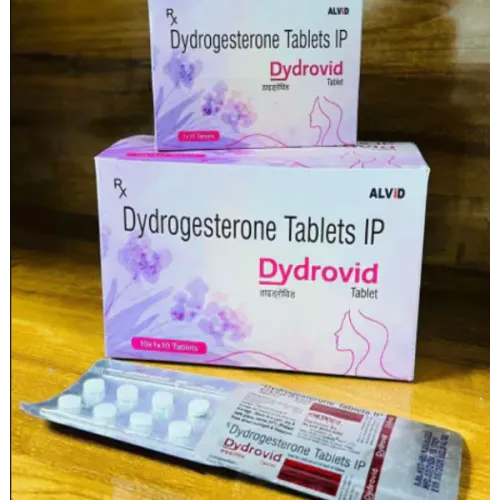

Dealers purchasing veterinary nutritional products need to satisfy two requirements at once: the products should be relevant to end users, and the supplier should be able to support an efficient procurement cycle.
A structured checklist can make it easier to evaluate a Veterinary Feed Supplements Manufacturer before establishing a regular supply relationship.
For dealers in Ambala and wider Haryana markets, seven areas deserve particular attention.
1. Product Relevance
Identify which animal categories your customers primarily serve.
A distributor dealing mainly with poultry businesses may require a different product mix from one serving dairy farms, livestock owners, or aqua customers.
Ask for a current product portfolio and identify products that genuinely correspond with your existing market.
2. Clear Product Information
Dealers need enough information to distinguish one formulation from another.
Review the product's intended application, composition information, pack size, directions, storage requirements, and other available details.
Avoid selecting products solely because their names appear similar to popular market categories.
3. Packaging Quality
Packaging protects the product throughout transportation and storage.
For distributors, it also affects warehouse handling and retail presentation. Check whether packs are properly sealed and whether relevant information can be read clearly.
4. Order Quantities
A supplier's minimum order structure should fit your sales volume.
Large quantities may offer commercial advantages in some cases, but unnecessary inventory can lock up working capital and increase the risk of slow-moving stock.
Start with realistic demand estimates.
5. Supply and Dispatch
Ask the Veterinary Feed Supplements Manufacturer how orders are confirmed and dispatched.
For recurring distribution, understand stock availability, dispatch planning, freight arrangements, and communication in the event of shortages.
Businesses serving customers beyond Ambala may need to consider how quickly inventory can be replenished when demand increases unexpectedly.
6. Business Documentation
Invoices and relevant commercial documentation should be handled systematically.
Depending on the categories being distributed, businesses should also understand the registrations, licences, or other requirements applicable to their own operations.
Keeping documentation organized makes inventory and financial management easier.
7. Responsiveness
A distributor may need quick clarification about stock, packs, orders, or product information.
Observe how effectively the supplier communicates during the initial enquiry stage. Responsiveness can become especially important once repeat ordering begins.
InAlvid Groupssert operates in the veterinary and animal nutrition market in Ambala and can be assessed using this checklist by dealers exploring a new supply relationship.
Before placing a larger order, it can be useful to prepare a shortlist of priority products and estimated monthly requirements. This allows both sides to discuss the business opportunity in concrete terms.
A suitable manufacturer should support more than a one-time purchase. For dealers building recurring sales, the stronger relationship is one where relevant products, practical quantities, dependable supply, clear documentation, and straightforward communication work together.
Keywords