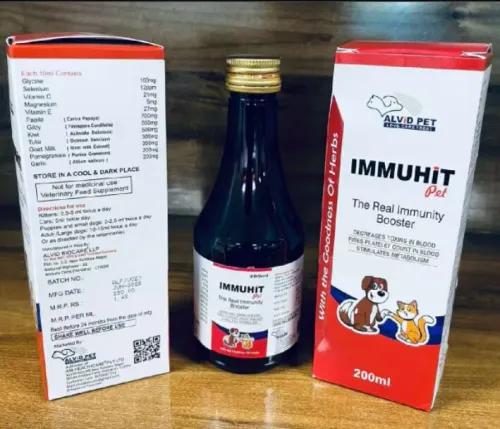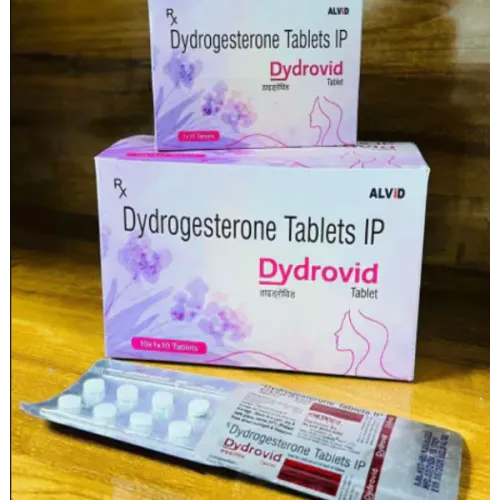

Entrepreneurs searching for a Top PCD Pharma Franchise frequently focus on the company's catalogue and offered margins. Veterinary distribution, however, has its own market characteristics, and those should influence how an opportunity is assessed.
Customers may include veterinary professionals, dairy farms, poultry businesses, livestock owners, feed dealers, retailers, and animal husbandry enterprises. Each segment can have different product requirements.
A good evaluation therefore begins at the customer level.
Map Demand Before Selecting Products
Create a simple territory map before deciding what to stock.
For example, identify the approximate concentration of:
- Veterinary clinics and practitioners
- Dairy and livestock farms
- Poultry operations
- Animal feed retailers
- Veterinary medicine outlets
- Aqua-related businesses where relevant
This exercise helps determine which product categories deserve priority.
For an Ambala-based distributor, the initial market could include selected areas within Haryana before expanding into a wider northern distribution network.
Separate Fast Moving and Specialized Products
Not every product should receive the same inventory allocation.
Some items may have recurring demand, while specialized products may be ordered only when required. Categorizing products by expected movement can help protect working capital.
New distributors can start with a carefully selected range and expand according to actual customer enquiries.
Examine the Company's Supply Process
When assessing a Top PCD Pharma Franchise, ask how repeat orders work in practice.
Find out how stock availability is confirmed, what information is required for ordering, how products are packed for dispatch, and what happens if there is an order discrepancy.
Reliable processes become increasingly important as order volume grows.
Look Beyond Promotional Material
Promotional support can be useful, but it cannot replace product knowledge or local sales effort.
Franchise partners still need to understand their customer segments, maintain relationships, manage inventory, and follow appropriate business practices.
Ask what support is actually included rather than assuming that every promotional item shown is automatically provided.
Calculate the Real Business Requirement
Initial investment should be considered together with recurring working capital.
Your financial planning may need to account for stock replenishment, freight, travel, sales activities, customer credit, and routine operating costs.
This gives a more realistic picture of the capital required to maintain the business after launch.
InAlvid Groupssert serves the veterinary and animal nutrition segment from Ambala. Businesses evaluating its franchise opportunities can discuss the available portfolio, territory, ordering arrangements, and support before deciding whether the model fits their plans.
There is no single franchise structure that suits every distributor. The relevant question is whether the company enables you to serve a clearly defined market with products that have genuine local demand.
A disciplined evaluation based on customer fit, stock movement, supply consistency, and working-capital requirements provides a much stronger foundation than choosing an opportunity because of promotional claims alone.
Keywords