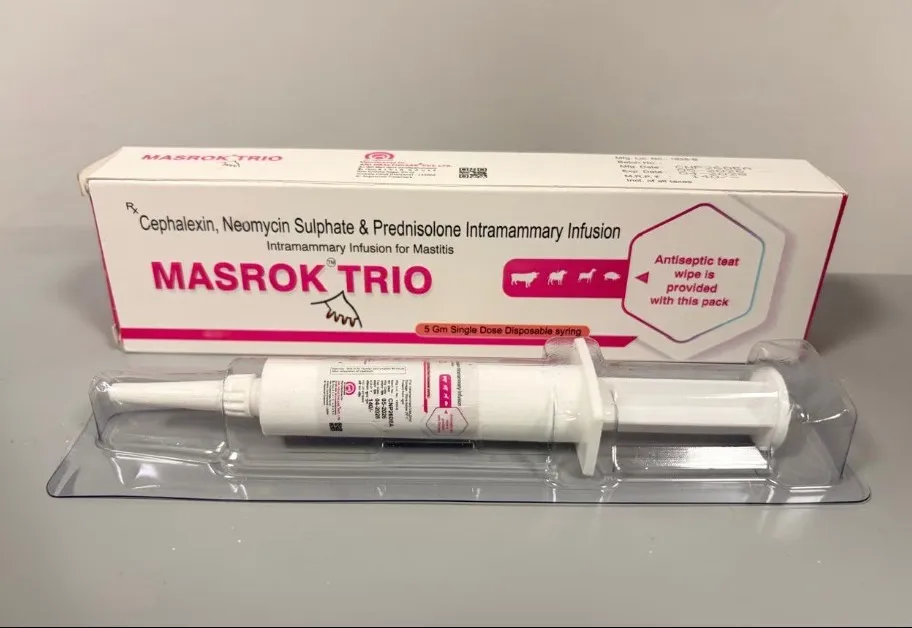
A strong distribution partnership begins with products that correspond with actual customer requirements. This is particularly important when evaluating a Veterinary PCD company, because veterinary and animal nutrition markets can contain very different customer segments.
A distributor may serve poultry farms, livestock owners, veterinary retailers, dairy businesses, animal nutrition dealers, or a combination of these markets. The usefulness of a PCD portfolio therefore depends on how well it matches those customers.
Product Breadth Should Have a Purpose
Having more products is not automatically an advantage.
A broad portfolio becomes valuable when it allows a distributor to address several related requirements within the same customer network.
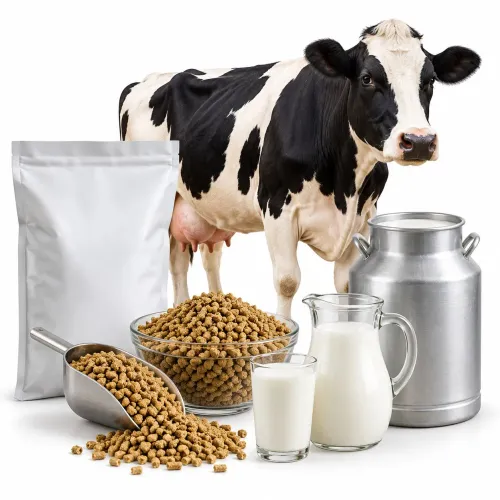
For example, a distributor serving animal nutrition businesses may benefit from access to poultry feed supplements, veterinary feed supplements, livestock nutrition products, and selected aqua feed categories.
The key is commercial relevance.
Consider Repeat-Purchase Potential
Distribution businesses generally become stronger when customers purchase regularly rather than only once.
When evaluating products, consider how frequently the category is likely to be required and whether customers already understand its application.
Products with genuine recurring demand can make inventory planning more predictable.
Packaging Can Affect Market Suitability
Pack sizes that work for a large farm may not be appropriate for a small retailer.
Before adding products, distributors should understand the typical purchasing behaviour of their customers.
This is particularly relevant in Ambala and surrounding Haryana markets, where businesses may serve customers ranging from individual livestock operations to larger dealers and agricultural supply networks.
Product Information Supports Better Selling
Distributors need enough information to explain what they are offering.
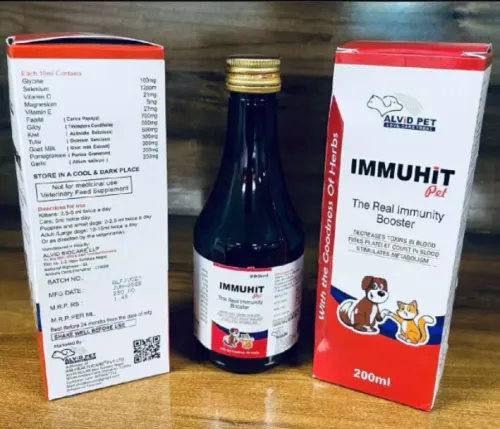
Useful product information should make the intended application, composition, packaging, and recommended use clear. This allows sales teams to communicate accurately instead of relying on vague promotional claims.
Supply Continuity Supports Portfolio Development
Once customers become familiar with a product, they expect to find it again.
This makes repeat supply an important part of evaluating a PCD company. Distributors should understand expected lead times, stock availability, ordering procedures, and minimum order requirements.
Alvid Groups operates from Ambala in the veterinary, feed supplement, and animal nutrition segment. Its product-oriented business model is relevant to distributors looking to develop portfolios across related veterinary and feed categories.
The right product range can help a franchise partner serve existing customers more comprehensively. However, portfolio expansion should follow demand rather than precede it.
A practical approach is to identify the strongest customer segment, select products that fit its requirements, monitor repeat orders, and gradually add complementary categories.
This reduces unnecessary inventory while helping the distributor develop a recognizable position within the local market. For a Veterinary PCD company partnership, that alignment between manufacturer capabilities and distributor demand is one of the most important foundations for sustainable growth.
Keywords