Searching for a Top PCD Pharma Franchise often produces a long list of companies making similar claims. For a distributor or entrepreneur, the real challenge is identifying which opportunity actually fits the intended territory and business model.
Several common mistakes can turn an apparently attractive franchise into a difficult operation.
Choosing Only on the Basis of Price
Low purchase prices can be appealing, especially when launching a new distribution business.
However, price should be considered alongside product consistency, packaging, availability, transportation, payment terms, and actual customer demand.
A cheaper product that remains unsold is not necessarily a better commercial decision.
Selecting Too Many Products Initially
New franchise partners sometimes assume that a larger catalogue automatically means greater sales potential.
In practice, carrying too many products can lock working capital into slow-moving inventory.
A more controlled approach is to identify products with clear demand, establish sales, and then expand the portfolio gradually.
Ignoring the Customer Base
Product selection should follow customer requirements.
A distributor working mainly with poultry businesses will need a different portfolio from someone serving dairy farms or general veterinary retailers.
This distinction is particularly relevant in agricultural markets across Ambala and Haryana, where livestock and poultry-related requirements can differ significantly by customer segment.
Failing to Check Repeat Availability
Initial stock is only the beginning.
If a product becomes popular but cannot be replenished consistently, the distributor may lose customers to competing alternatives.
Before selecting a company, discuss:
- Typical order processing
- Product availability
- Dispatch schedules
- Minimum quantities
- Packaging
- Communication regarding stock
- Repeat ordering procedures
These practical details matter once daily business begins.
Assuming Marketing Support Means Guaranteed Sales
Product literature and promotional support can help distributors present products, but they do not replace local selling.
Franchise partners still need to identify customers, maintain relationships, follow up on orders, manage inventory, and develop their territory.
Any business plan based on guaranteed demand should therefore be examined carefully.
Not Clarifying Territory Conditions
Territory arrangements can vary significantly between companies.
A distributor should understand whether rights are exclusive, conditional, product-specific, or linked to purchase requirements. Clear terms help avoid misunderstandings later.
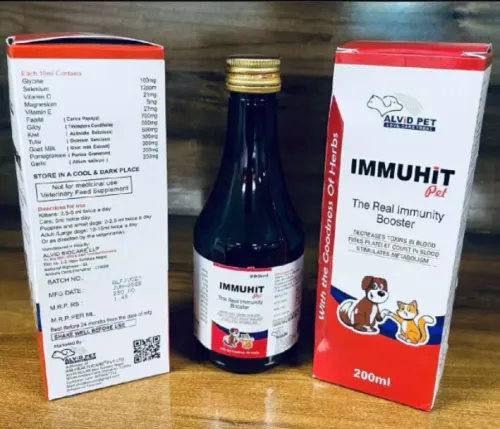
Alvid Groups, operating from Ambala, serves the veterinary and feed supplement segment and works with businesses exploring distribution and PCD opportunities.
Rather than searching only for the company that describes itself as a top provider, prospective partners should evaluate measurable business factors.
Product-market fit, reliable supply, sensible inventory requirements, clear commercial terms, and realistic territory potential provide much stronger indicators of franchise suitability.
Avoiding these common mistakes allows entrepreneurs to make decisions based on business fundamentals rather than promotional claims, which is especially important when building a distribution operation intended to generate repeat sales over the long term.
Keywords