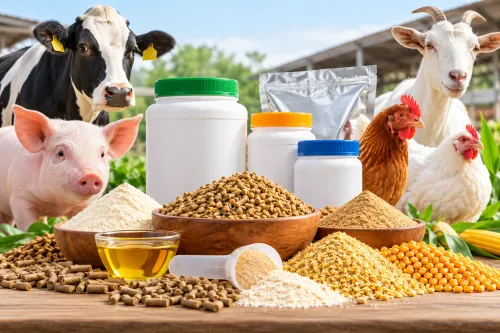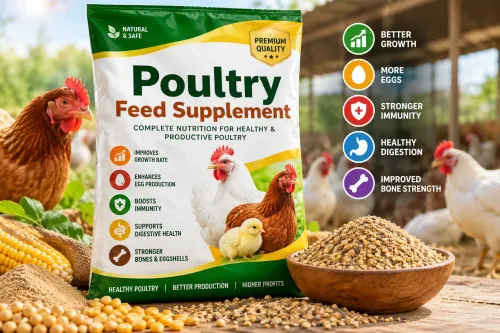
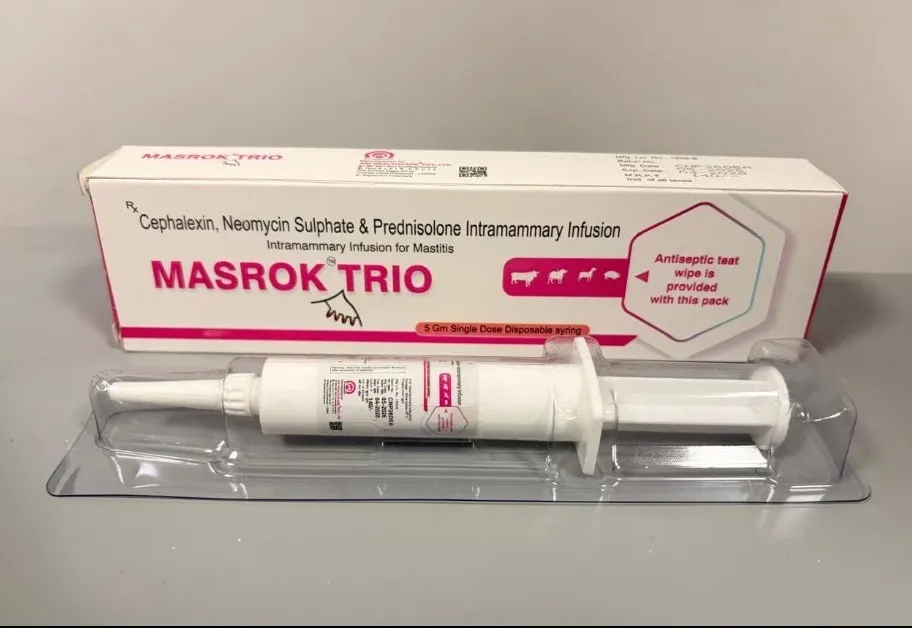
For distributors entering or expanding within animal nutrition, the relationship with a veterinary feed supplements manufacturer can influence product availability, inventory planning, customer confidence, and future portfolio growth.
A good manufacturing relationship is therefore more than a purchase-and-dispatch arrangement. It should support the practical requirements of a repeat distribution business.
Start With a Defined Customer Segment
Before ordering products, identify who will purchase them.
Potential customer groups may include veterinary retailers, livestock businesses, poultry farms, dairy-related enterprises, agricultural dealers, and other animal nutrition channels.
Each group can have different requirements.
For distributors serving Ambala and the wider Haryana region, understanding the local mix of livestock, poultry, and agricultural activity can help determine which categories deserve priority.
Build a Focused Opening Portfolio
Starting with every available product can create unnecessary inventory pressure.
Instead, identify a manageable selection that corresponds with known customer demand.
A focused portfolio allows sales teams to understand products properly, communicate their applications clearly, and observe actual market response before adding further categories.
Establish Clear Reordering Procedures
Distribution depends on replenishment.
Before developing a product heavily in the market, understand how repeat ordering works. Discuss typical processing times, minimum quantities, stock availability, dispatch procedures, and communication regarding unavailable products.
This information can help the distributor maintain suitable inventory levels.
Monitor Product Movement
Successful distributors know which products generate repeat demand and which remain in storage.
Regularly review sales patterns and divide inventory into fast-moving, moderate-moving, and slow-moving categories.
Future purchasing can then be based on actual demand rather than assumptions.
Expand Through Related Categories
Once a core portfolio becomes established, complementary products can provide a logical route for growth.
A distributor already serving poultry customers might evaluate additional poultry nutrition products. Someone with a mixed veterinary customer network may explore livestock or other animal nutrition categories.
Expansion works best when new products can be sold through relationships the business already has.
Look for a Manufacturer That Fits the Business Model
Different distributors need different manufacturing relationships.
Some prioritize a specialized product range, while others require broader veterinary and feed categories. Commercial terms, supply reliability, product information, packaging, and communication should all be evaluated together.
Alvid Groups, based in Ambala, works in veterinary feed supplements, poultry nutrition, animal nutrition, and related distribution-oriented categories. Businesses considering a manufacturing or franchise relationship can assess available options according to their customer base and territory requirements.
A stronger veterinary distribution business is built gradually.
Begin with relevant products, understand customer demand, maintain disciplined inventory, and expand only when repeat sales support it. When a veterinary feed supplements manufacturer can provide consistent products and dependable replenishment, the distributor can focus more effectively on the equally important task of developing relationships and building sustainable demand throughout the target market.
Keywords